Lugano Tribune, luganotribune.com
LUGANO
Three days of young diplomacy in Lugano: the OSCE and USI workshop on the next generation
From November 2 to 4 the OSCE Secretariat and the Università della Svizzera italiana brought young participants from the participating States and the Mediterranean Partners together in Lugano. Negotiation training, simulations and a public dialogue with diplomats, one month before the December ministerial meeting.
Translated from the Italian original. Read in Italian
This article was translated from the Italian edition of Lugano Tribune.
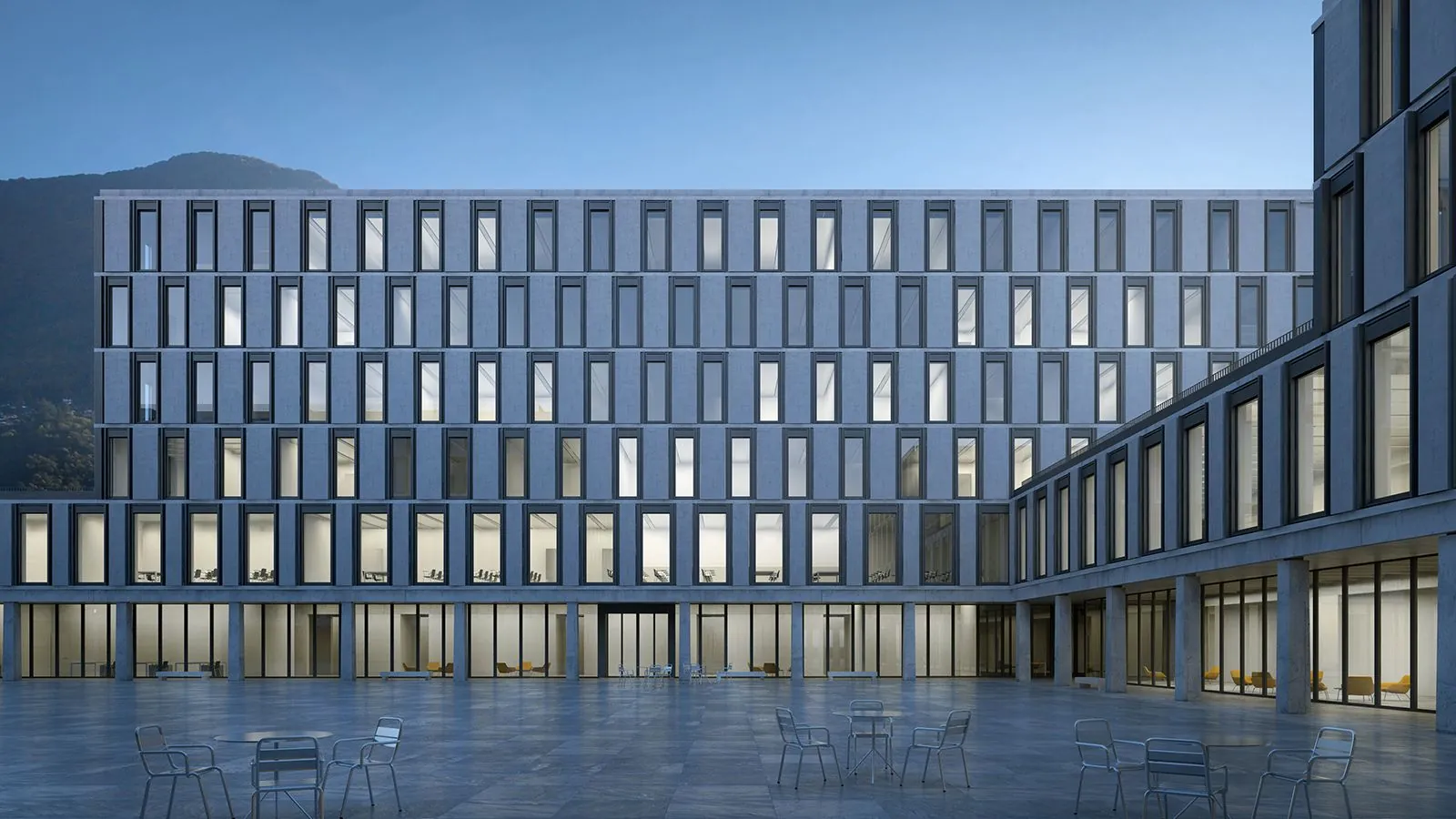
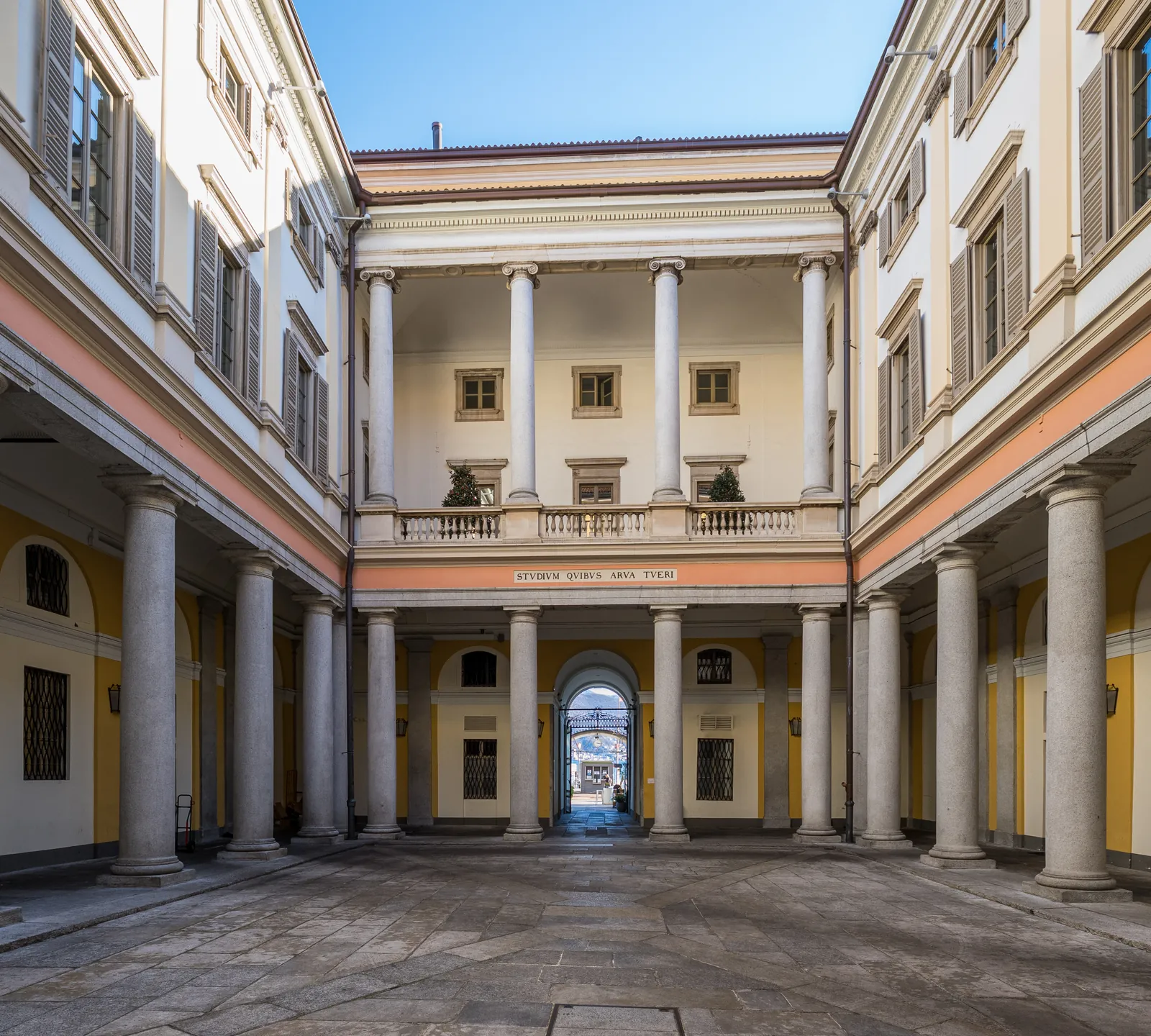
From November 2 to 4, Lugano hosted three days of diplomacy aimed at the future: young people from across the OSCE area and from the Mediterranean partner countries gathered in the city for a workshop organised by the OSCE Secretariat together with the Università della Svizzera italiana (USI). Its title, Amplifying Youth Voices for a Safer Future, set the question: what can the next generation do for dialogue, diplomacy and multilateral co-operation?
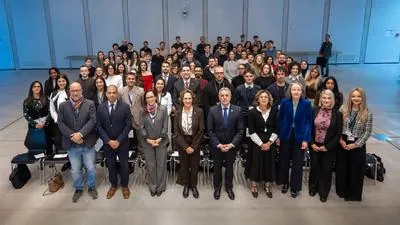
The three days mixed practice with theory: meetings with working diplomats, academic sessions, training in how to negotiate and full simulation exercises. Opening the workshop, Ignazio Cassis, the Swiss Federal Councillor who chairs the OSCE in 2026, gave the keynote and took questions, telling the room that diplomacy becomes indispensable precisely at the moments when it looks impossible.
Sessions worked through what the OSCE is and how it is built, how it works with its Mediterranean partners, and its agenda on young people, peace and security, with the participating States adding perspectives of their own.
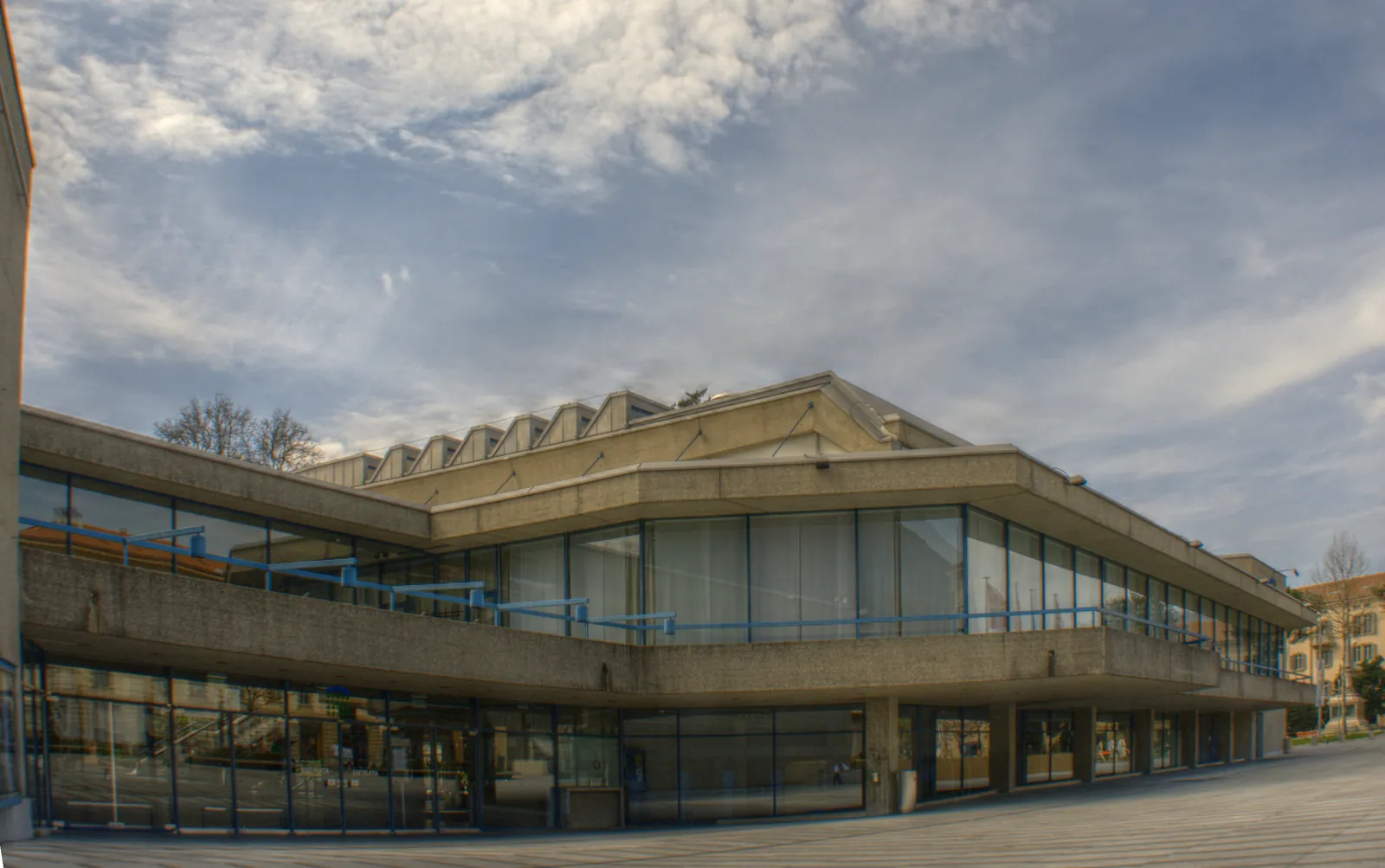
A dialogue between generations at the West Campus
On Tuesday, November 3, from 6 pm to 8 pm, the Auditorium of the USI West Campus hosted the public event Present and future of diplomacy: a dialogue between generations, an integral part of the workshop. The panel set working diplomats and practitioners across the table from the young participants, to compare how diplomacy is practised today with how it may be practised tomorrow. On the table were the pressures that geopolitical, societal and technological change puts on co-operation between states, the help science diplomacy can give on problems no country solves alone, and the human side of relations between states, which endures through every change of method.
The speakers were Michael Köhler, Ambassador associated with the Grand Bargain, Wolfgang Amadeus Brülhart, Ambassador at the Swiss Federal Department of Foreign Affairs, and Omar Cardentey of the U.S. Mission to the OSCE, alongside youth representatives. The moderator was Gorica Atanasova-Gjorevska of the OSCE Secretariat, and the event took place in English.
Whatever path you choose, remember that dialogue is not a sign of weakness. It is a sign of responsibility.
Ignazio Cassis, Swiss Federal Councillor and 2026 OSCE Chairman-in-Office, to USI students on November 2, 2026, according to the Federal Department of Foreign Affairs
The workshop at a glance
| When | November 2 to 4, 2026 | OSCE |
| Where | Lugano, Università della Svizzera italiana | OSCE and USI |
| Organisers | OSCE Secretariat and USI | OSCE |
| Public event | November 3, 2026, 6 pm to 8 pm, Auditorium, West Campus | USI |
A step on the road to the December ministerial
The Lugano workshop sits on the road to the 33rd OSCE Ministerial Council, scheduled in Lugano on December 3 and 4, the culmination of Switzerland's chairmanship year. On November 2 Cassis was in Lugano and Bellinzona to present the priorities and the state of preparations for the conference and, at USI, discussed with students why dialogue matters in a polarised world, the very theme the workshop then developed over three days with the generation that will practise the diplomacy of tomorrow.
For USI the appointment confirms a role that goes beyond the lecture hall: the Lugano university co-organised with the OSCE Secretariat a diplomatic training laboratory for young people from across the OSCE area and the Mediterranean, one month before the ministerial meeting that will make Lugano, for two days, the seat of the organisation's principal decision-making body.