Lugano Tribune, luganotribune.com
TICINO
Hospita report: the inquiry finds no proven deal, but puts the appointments system on trial
Presented to the media on Wednesday, November 11, the report of the cantonal parliamentary inquiry will be debated in the Gran Consiglio on November 24. The Greens call it the picture of a sick system; the MPS says it describes the faults but softens the responsibilities.
Translated from the Italian original. Read in Italian
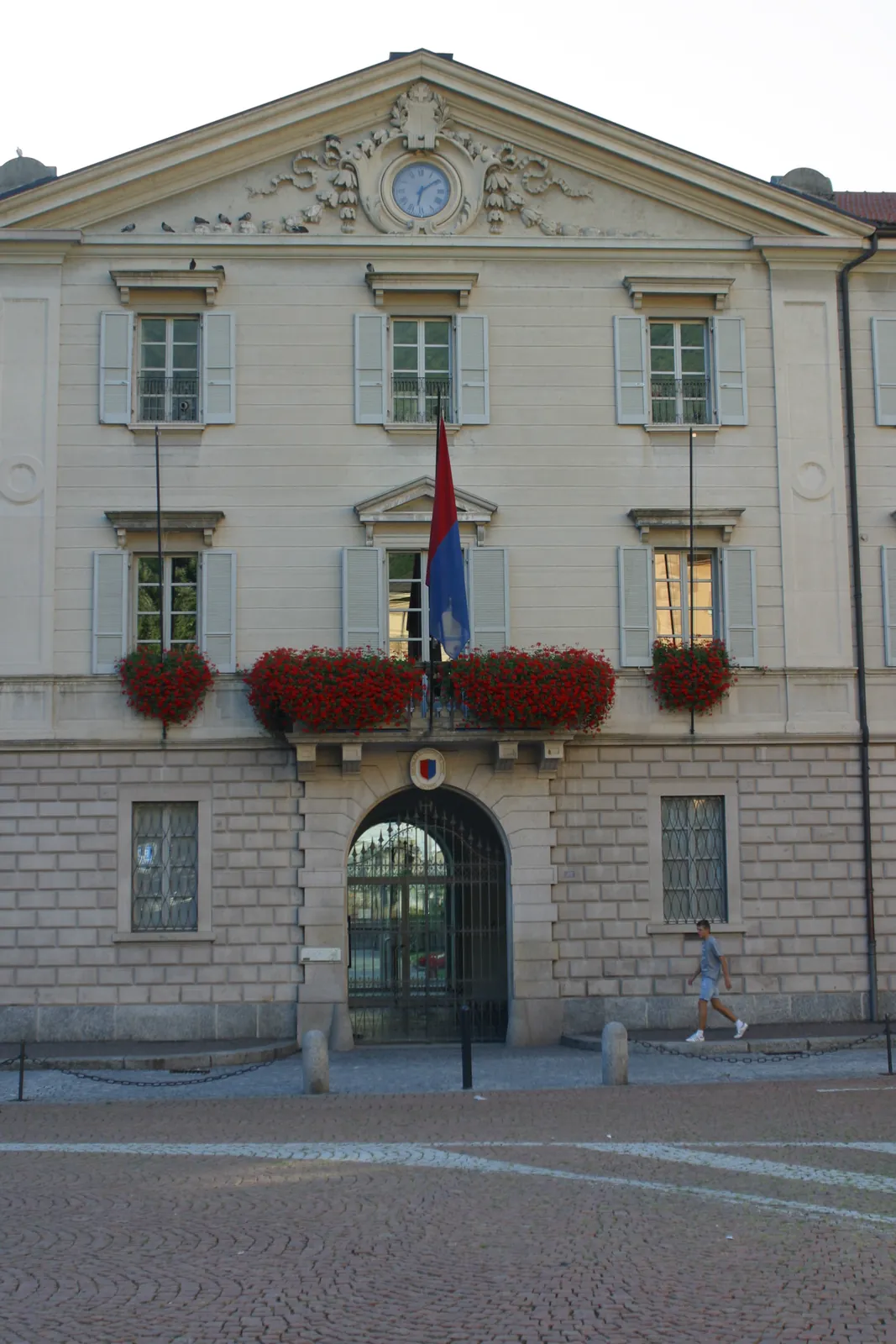
After almost ten months of confidential work, a leak and a criminal complaint for breach of official secrecy, the parliamentary inquiry committee on the Hospita case presented its report to the media on Wednesday, November 11. The report was signed on October 13, and the Gran Consiglio, Ticino's cantonal parliament, will debate its conclusions on Tuesday, November 24. The committee was set up by parliament on January 26, 2026 to examine the conduct and any political and operational responsibilities of members of the cantonal government, of the board of Banca Stato, the cantonal bank, and of officials, in the affair named after the company that took over anaesthesia services for the Genolier group clinics under an outsourcing arrangement.
No single scapegoat, a system under fire
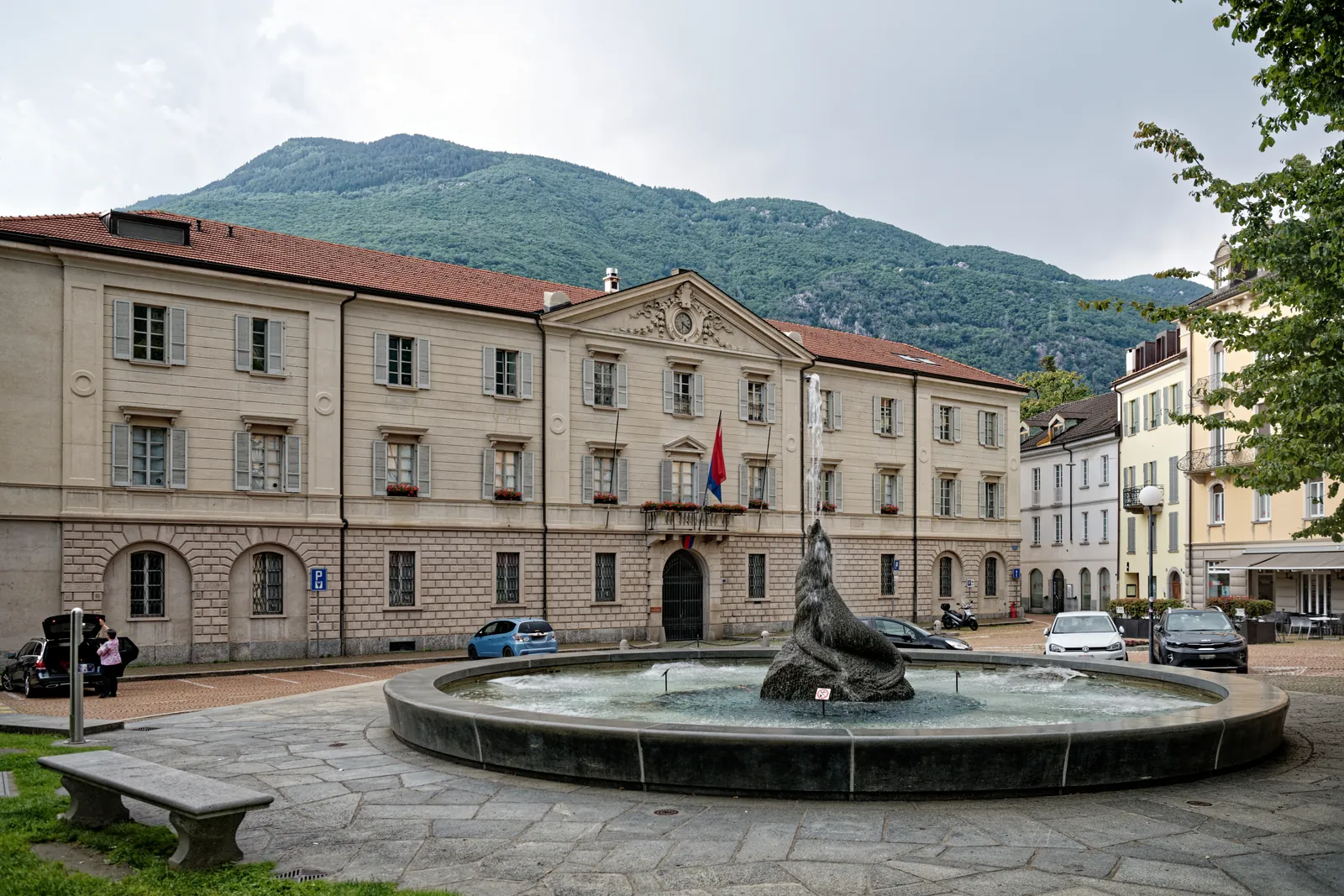
The two political readings published on the day agree on one point: the report names no single culprit. The Greens, who support its thrust, write that the inquiry brought to light inadequate and inappropriate conduct and a general problem with the appointment system, for magistrates as much as for the boards of public and parapublic bodies. According to the Greens, the committee criticises the lightness with which the so called Cencelli manual, the traditional sharing of posts among parties, is invoked to justify not only the political allocation of seats but the choice of the individual person, as if a party had a right to its own nominee. An external expert review by Professor G. Biaggini, again according to the Greens, found no manifest shortcomings but identified margins for improvement.
The MPS, a small left wing party in the cantonal parliament, reads the document more harshly, and against the committee itself. The report, it argues, confirms failings it has long denounced: appointments driven by party balance, private interests intertwined with public functions, insufficient controls, and late or incomplete answers by the cantonal government to parliamentary questions. But whenever significant political responsibilities emerge, the MPS charges, the committee tends to circumscribe and soften them.
The findings on the individual cases
On the facts, the MPS account attributes three main findings to the committee. A private inquiry entrusted by the Lega leadership to lawyer Enea Petrini is judged wholly inappropriate: it involved a member of the cantonal government, parliamentarians and a lawyer who sat on the Banca Stato board and had professional ties to Eolo Alberti, the person under scrutiny. On deputy Sabrina Aldi and the election of Alvaro Camponovo as a public prosecutor, the committee excludes that a prior favour exchange agreement was proven and finds no formal breach of the conflict of interest rules, but holds that Aldi should have declared her professional link with the candidate's father, Claudio Camponovo, and abstained. The third finding touches the Gran Consiglio itself, criticised for appointing Alberti to the board of the cantonal hospital authority, the EOC, without examining issues that had already surfaced.
The recommendations listed by the Greens sketch the institutional sequel: a framework law on appointment procedures in cantonal bodies and participated entities, drafted initiatives to amend the law on the Gran Consiglio covering the inquiry instrument itself, rules on removal from office in the public bodies, and, on conduct, a code of conduct, a duty to report, and an incompatibility rule between membership of the cantonal government and the leadership of a party. The wound of the leak remains: the report contents appeared in the press on October 30 and 31, before official publication, and MPS deputies Matteo Pronzini and Giuseppe Sergi have reported a suspected breach of official secrecy to the public prosecutor. On November 24 the chamber will show whether the committee proposals become parliamentary business, and with what majorities.